
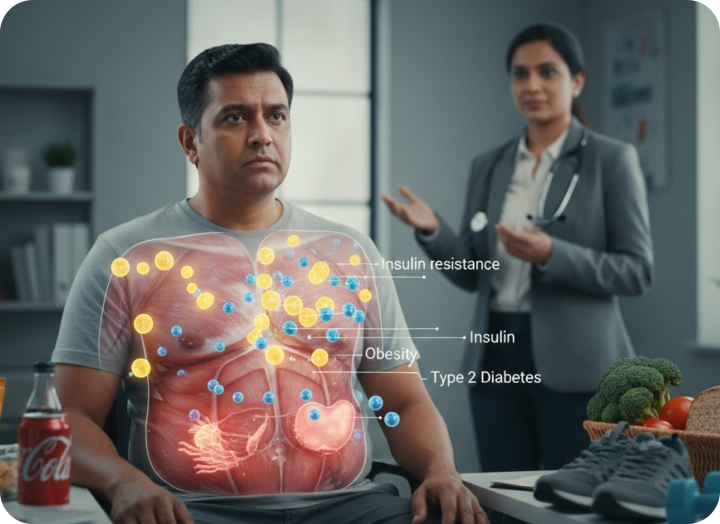
The Role of Insulin Resistance in Obesity and Diabetes: Understanding the Hidden Connection
What Is Insulin Resistance?
Insulin resistance is one of the key factors linking obesity and type 2 diabetes. It occurs when your body’s cells stop responding effectively to insulin — a hormone that helps regulate blood sugar levels. When this happens, glucose builds up in the bloodstream, forcing the pancreas to produce more insulin. Over time, this leads to high insulin levels, weight gain, and eventually diabetes.
Simply put, insulin resistance means your body is working harder to control sugar — and failing to do so efficiently.
How Insulin Resistance Develops
Several lifestyle and genetic factors contribute to insulin resistance, but the most common triggers are related to poor diet and lack of physical activity.
Here are the main contributors:
Excess body fat, especially around the abdomen
High intake of refined sugars and processed foods
Sedentary lifestyle with minimal exercise
Chronic stress and poor sleep
Hormonal imbalances or genetic predisposition
Over time, these factors increase fat storage, disrupt metabolic balance, and make your body less sensitive to insulin.
The Connection Between Insulin Resistance, Obesity, and Diabetes
Insulin resistance is often described as the bridge between obesity and diabetes. When the body becomes resistant to insulin, it triggers a cycle that promotes fat accumulation and further increases insulin resistance — a dangerous loop that can lead to metabolic syndrome and type 2 diabetes.
Here’s how the cycle works:
High sugar intake → insulin levels rise to manage glucose.
Cells resist insulin → more sugar stays in the blood.
Pancreas overproduces insulin → body stores more fat.
More fat storage → greater insulin resistance.
This cycle not only makes it difficult to lose weight but also increases the risk of heart disease, high blood pressure, and other metabolic disorders.
Signs You May Have Insulin Resistance
Early signs are often subtle, but recognizing them can help prevent serious complications:
Constant hunger or sugar cravings
Fatigue after meals
Difficulty losing weight, especially belly fat
Dark patches of skin (acanthosis nigricans)
High blood pressure or abnormal cholesterol levels
If you experience several of these symptoms, consult a healthcare provider for a blood sugar and insulin sensitivity test.
How to Improve Insulin Sensitivity Naturally
The good news is that insulin resistance can be reversed with the right lifestyle changes:
Adopt a balanced diet: Choose whole grains, lean proteins, and fiber-rich foods.
Limit sugar and refined carbs: Reduce sweetened drinks, white bread, and snacks.
Exercise regularly: Aim for 30 minutes of brisk walking or strength training daily.
Manage stress: Practice yoga, meditation, or deep breathing.
Get enough sleep: 7–8 hours of quality rest supports hormone balance.
Nizcare: Your Partner in Preventive Health
At Nizcare, we believe that awareness and lifestyle management are key to preventing chronic diseases like diabetes and obesity. Nizcare connects individuals, corporates, and healthcare providers, offering guidance, wellness programs, and preventive care solutions designed to help you live healthier and smarter.
While Nizcare is not a hospital or clinic, it empowers people to take control of their health through education, proactive wellness, and digital support.
Take charge of your health today — small lifestyle changes can make a big difference in reversing insulin resistance and preventing diabetes. With Nizcare, wellness begins with awareness
.