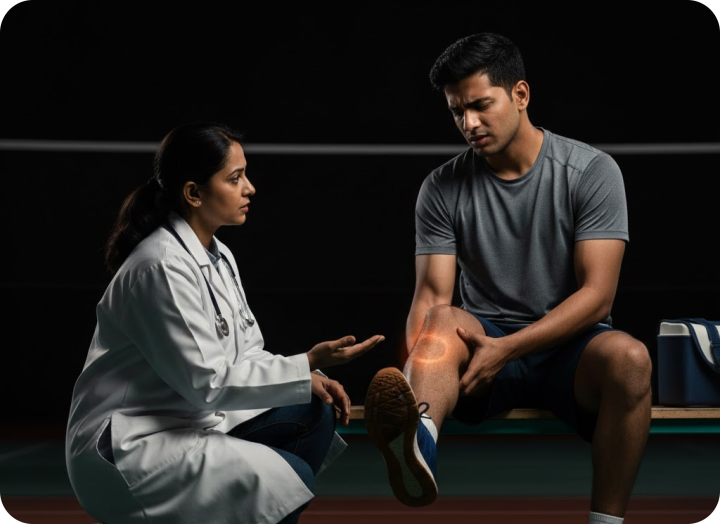
Participating in sports is one of the best ways to stay active and healthy. But it also increases the risk of musculoskeletal injuries, especially when training intensity is high or proper techniques aren’t followed. From sprains and strains to fractures and tendon injuries, these issues can affect athletes of all ages. Understanding how to prevent sports injuries—and what to do when they happen—can protect your mobility and long-term joint health.
Common Sports-Related Musculoskeletal Injuries
Sports injuries usually affect muscles, bones, tendons, and ligaments. Some of the most common include:
Sprains and strains (ankle, knee, wrist)
Muscle tears
Tendonitis
Shin splints
Dislocations
Stress fractures
Rotator cuff injuries
Knee ligament injuries (ACL, MCL)
These injuries often occur due to sudden impact, overuse, poor posture, or incorrect training methods.
Why Prevention Matters
Preventing sports injuries is easier—and safer—than treating them later. A proactive approach helps reduce downtime, protects your muscles and joints, and boosts performance.
Key Prevention Tips for Athletes
1. Warm-Up & Cool Down Properly
A proper warm-up increases blood flow and prepares muscles for activity. Cooling down helps reduce stiffness and inflammation.
2. Build Strength & Flexibility
Incorporate stretching, strength training, and mobility exercises to support joints and prevent strain during sports movements.
3. Use the Right Technique
Poor form is one of the biggest causes of musculoskeletal injuries. Consider working with a coach or trainer to correct posture and movement patterns.
4. Wear Proper Gear
Supportive shoes, braces, helmets, and padding significantly reduce injury risk—especially in high-impact sports.
5. Avoid Overtraining
Rest days are essential. Overuse injuries like tendonitis and stress fractures occur when the body doesn’t get enough time to recover.
6. Stay Hydrated
Dehydration increases muscle fatigue, making injuries more likely.
First Aid for Sports-Related Injuries
Even with precautions, injuries can still occur. Knowing basic first aid can prevent the injury from worsening and speed up the recovery process.
Follow the R.I.C.E. Method
R – Rest: Stop the activity immediately to prevent further damage.
I – Ice: Apply ice for 15–20 minutes to reduce swelling.
C – Compression: Use an elastic bandage to support the injured area.
E – Elevation: Keep the injured limb raised to minimize swelling.
When to Seek Medical Attention
Visit a healthcare provider if you notice:
Sudden severe pain
Inability to bear weight or move the joint
Swelling that doesn’t improve
Visible deformity
Numbness or tingling
Early diagnosis and the right treatment plan help prevent long-term complications.
Stay Injury-Free with Nizcare
At Nizcare, we believe prevention is the foundation of good health. While we are not a hospital or clinic, we serve as a trusted platform connecting individuals, corporates, and healthcare providers. Through personalized guidance, wellness programs, and preventive care support, Nizcare helps you stay informed and proactive about your musculoskeletal health.
Whether you’re an athlete, a weekend sportsperson, or a fitness beginner, Nizcare empowers you with the right knowledge to keep your body strong, mobile, and injury-free.
.