
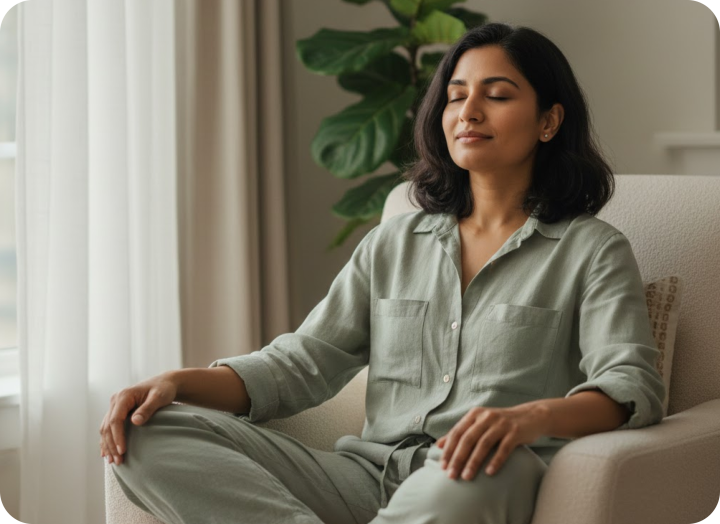
Coping With Anxiety Disorders: Practical Strategies to Feel Calm and in Control
Anxiety disorders are among the most common mental health conditions today, affecting millions of people worldwide. While occasional stress is a normal part of life, persistent anxiety can interfere with daily routines, sleep, work, and overall wellbeing. The good news? With the right coping strategies, individuals living with anxiety can manage symptoms more effectively and improve their quality of life.
This blog explores simple and science-backed coping strategies for anxiety, making it easier to navigate difficult moments and build long-term emotional resilience.
Understanding Anxiety Disorders
Anxiety disorders include conditions like generalized anxiety disorder (GAD), panic disorder, social anxiety, and phobias. Common symptoms include:
Excessive worrying
Restlessness
Difficulty concentrating
Rapid heartbeat
Irritability
Sleep disturbances
Recognizing your symptoms is the first step toward managing anxiety in a healthier way.
Effective Coping Strategies to Manage Anxiety
1. Practice Deep Breathing Techniques
Slow, deep breathing activates the body’s relaxation response and reduces stress. Try methods like:
4-7-8 breathing
Box breathing
Diaphragmatic breathing
Just a few minutes daily can significantly calm anxiety.
2. Challenge Negative Thought Patterns
Anxiety often triggers irrational or catastrophic thoughts. Techniques like cognitive reframing help you identify unhelpful thinking and replace it with more realistic, balanced thoughts.
Ask yourself:
Is this fear based on facts or assumptions? What’s a healthier way to view the situation?
3. Build a Routine That Supports Mental Wellness
Having a predictable daily routine reduces uncertainty — a major anxiety trigger. Include time for:
Exercise
Proper sleep
Nutritious meals
Relaxation activities
A structured day helps the mind feel safer and more in control.
4. Stay Physically Active
Regular exercise releases endorphins, improves mood, and reduces tension. Activities like walking, yoga, swimming, or cycling are especially effective for managing long-term anxiety symptoms.
5. Limit Stimulants Like Caffeine and Sugar
Caffeine, energy drinks, and sugary snacks can intensify anxiety by raising heart rate and increasing jitteriness. Opt for herbal teas, balanced meals, and water throughout the day.
6. Practice Mindfulness and Meditation
Mindfulness helps you stay grounded in the present moment instead of spiraling into “what-if” thoughts. Even 10 minutes a day can reduce stress and enhance emotional balance.
Try:
Guided meditation apps
Body scan exercises
Mindful walking
7. Reach Out for Support
Talking to trusted friends, family, or mental health professionals can reduce the emotional burden. Support groups also help individuals feel understood and less alone.
8. Create an Anxiety Toolkit
Prepare a list of things that calm you, such as:
Listening to soothing music
Journaling
Using grounding techniques
Going outdoors
Practicing gratitude
Pull out this toolkit whenever symptoms start to rise.
You Don’t Have to Manage Anxiety Alone
Coping with anxiety is a journey, and progress takes time. Combining lifestyle adjustments, emotional support, and professional guidance can help you feel more in control each day.
How Nizcare Supports Mental Wellness
Nizcare empowers individuals and organizations by connecting individuals, corporates, and healthcare providers through a unified digital wellness ecosystem. While Nizcare is not a hospital or clinic, it offers guidance, mental wellness programs, preventive care tools, and expert-backed resources that help people better understand and manage anxiety disorders.
With Nizcare, you gain access to a supportive platform designed to improve both physical and emotional wellbeing — one step at a time.
.