How Social Media Affects Mental Health: The Good and the Bad You Should Know
Social media has become a major part of our daily lives. From scrolling through Instagram to chatting on WhatsApp or reading updates on LinkedIn, we stay connected 24/7. While these platforms offer valuable benefits, research shows that excessive or unhealthy usage can impact mental wellbeing. Understanding both the positive and negative effects of social media on mental health can help you build healthier digital habits.
The Positive Side: How Social Media Supports Mental Wellbeing
When used mindfully, social media can actually improve mental health. Some key benefits include:
1. Staying Connected
Social media bridges distances and helps people maintain relationships. It’s especially helpful for:
Long-distance families
Students studying away from home
Remote workers
People needing emotional support
2. Access to Information and Awareness
Platforms like Instagram, YouTube, and Facebook spread awareness about mental health, lifestyle changes, and wellness tips. Many users discover:
Stress-management techniques
Mindfulness practices
Healthy lifestyle ideas
Support communities
3. A Sense of Community and Belonging
Online support groups help individuals dealing with anxiety, depression, chronic illness, or loneliness share their experiences, reducing feelings of isolation.
4. Motivation and Inspiration
Fitness accounts, productivity pages, and wellness influencers often encourage users to develop better habits and take action toward their goals.
The Negative Side: Social Media’s Impact on Mental Health
Despite its benefits, heavy or unregulated social media use can negatively affect mental wellbeing. Common issues include:
1. Anxiety and Stress
Constant notifications, fear of missing out (FOMO), and pressure to stay updated can increase stress levels.
2. Comparison Culture
Seeing filtered, “perfect” lives online often leads to:
Low self-esteem
Body image issues
Negative self-comparison
This is especially common among teenagers and young adults.
3. Sleep Disruption
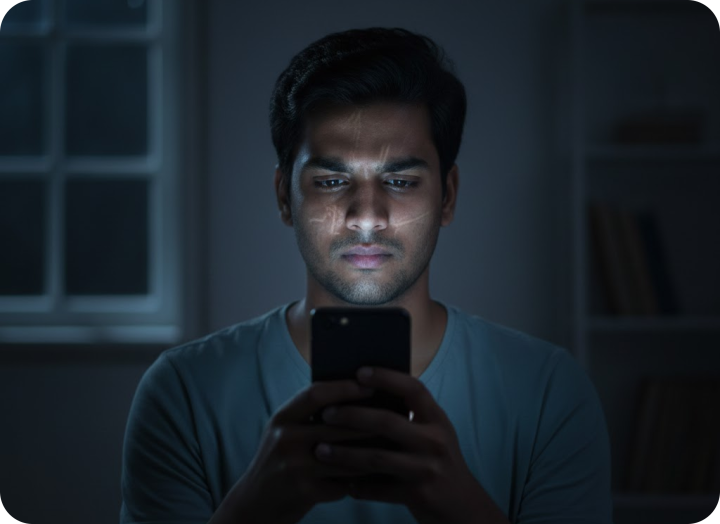
Late-night scrolling affects melatonin levels and leads to poor-quality sleep, which directly impacts mental health.
4. Cyberbullying and Online Harassment
Negative comments, trolling, or harmful content can cause emotional distress and long-term psychological effects.
5. Addiction and Reduced Productivity
Social media is designed to be engaging — sometimes too engaging. Excessive use can:
Reduce concentration
Affect work-life balance
Increase procrastination
Tips for a Healthier Relationship with Social Media
Here are small changes that can make a big impact:
Set daily screen-time limits
Avoid checking your phone right before bed
Unfollow accounts that trigger stress or insecurity
Use “Do Not Disturb” mode during work hours
Prioritize real-life conversations and activities
Follow accounts that uplift and educate you
Digital balance is essential for protecting your mental wellness.
Nizcare: Your Partner in Better Mental and Physical Wellbeing
At Nizcare, mental health is a key part of our holistic wellness approach. While Nizcare is not a hospital or clinic, it serves as a powerful platform that connects individuals, corporates, and healthcare providers to support healthier living.
Through Nizcare, users gain access to:
Wellness programs
Stress and mental health guidance
Preventive care tools
Corporate wellbeing initiatives
By promoting awareness and healthy lifestyle habits, Nizcare empowers you to take control of your mental wellbeing — online and offline.
.