
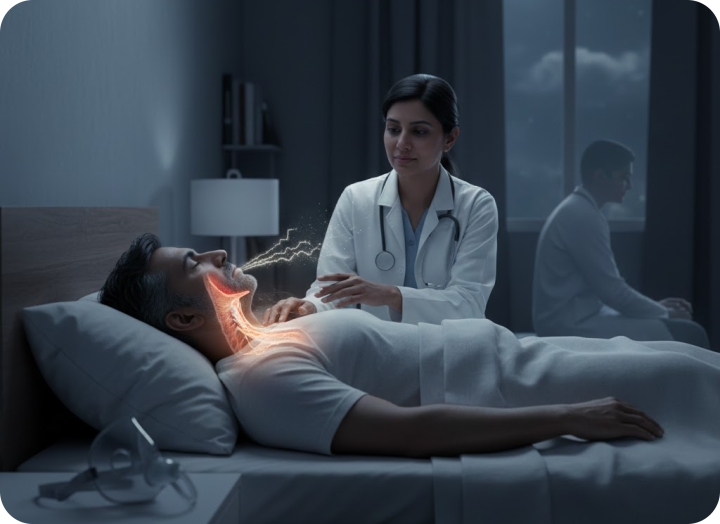
Understanding Sleep Apnea: Causes, Symptoms, and Effective Solutions
Sleep is essential for overall health, yet many adults struggle with sleep apnea, a common but often underdiagnosed sleep disorder. Sleep apnea occurs when breathing repeatedly stops and starts during sleep, leading to poor rest and serious health risks. Understanding the causes, symptoms, and available solutions can help you take control of your sleep and improve your quality of life.
What Causes Sleep Apnea?
Sleep apnea can affect anyone, but certain factors increase the risk:
Obstructive Sleep Apnea (OSA): The most common type, caused by throat muscles relaxing and blocking the airway during sleep.
Central Sleep Apnea (CSA): Occurs when the brain fails to send proper signals to the muscles that control breathing.
Risk factors include:
Excess weight or obesity
Enlarged tonsils or airway obstructions
Smoking and alcohol consumption
Aging, especially over 40
Family history of sleep apnea
Identifying risk factors early is key to preventing long-term complications such as high blood pressure, heart disease, and diabetes.
Recognizing the Symptoms of Sleep Apnea
Sleep apnea can be difficult to spot because it occurs during sleep, but common signs include:
Loud, chronic snoring
Pauses in breathing observed by a partner
Morning headaches or dry mouth
Excessive daytime sleepiness
Difficulty concentrating or memory problems
Irritability or mood swings
If you notice these symptoms, especially frequent pauses in breathing during sleep, it’s important to consult a healthcare professional for evaluation.
Effective Solutions for Sleep Apnea
Managing sleep apnea involves lifestyle changes, medical devices, and in some cases, surgery:
1. Lifestyle Modifications
Maintain a healthy weight to reduce airway obstruction
Avoid alcohol and sedatives before bedtime
Sleep on your side instead of your back
Follow a consistent sleep schedule
2. Medical Devices
CPAP (Continuous Positive Airway Pressure) machines: Keep airways open during sleep
Oral appliances: Help reposition the jaw and tongue to prevent airway blockage
3. Surgical Options
In severe cases, surgery may remove tissue or correct structural issues in the airway
Regular monitoring and follow-ups are essential to ensure treatment effectiveness and prevent complications.
About Nizcare
Nizcare is a wellness platform that connects individuals, corporates, and healthcare providers. While not a hospital or clinic, Nizcare offers:
Guidance on managing sleep disorders like sleep apnea
Wellness programs and preventive care strategies
Tools and resources to support better sleep and overall health
By understanding the causes, recognizing the symptoms, and implementing effective solutions, you can take proactive steps to manage sleep apnea and improve your daily energy, focus, and long-term health.
.