
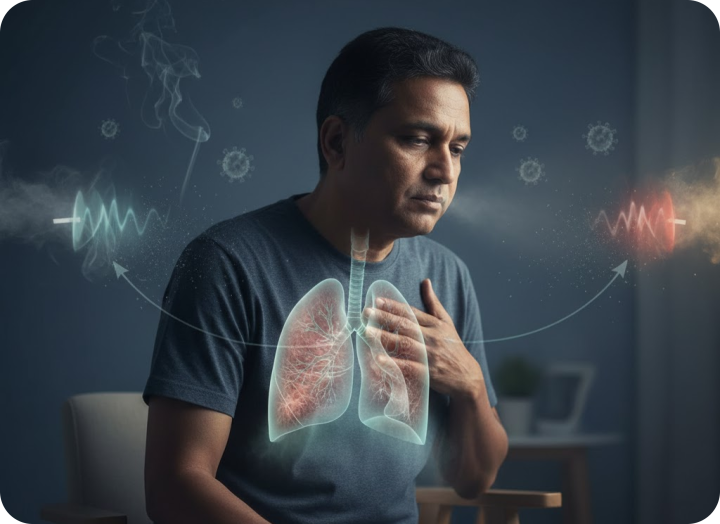
Living with COPD: Symptoms, Triggers, and Practical Management Tips
Chronic Obstructive Pulmonary Disease (COPD) is a progressive lung condition that makes breathing difficult and affects millions worldwide. Understanding COPD symptoms, triggers, and management strategies is essential for maintaining a good quality of life and preventing complications. Early recognition and proactive care can help individuals breathe easier and stay active.
Recognizing COPD Symptoms
COPD develops gradually, so early symptoms may be mild and easily overlooked. Common signs include:
Shortness of breath during routine activities like walking or climbing stairs
Chronic cough, often with mucus production
Wheezing or a whistling sound when breathing
Chest tightness or discomfort
Fatigue and reduced stamina
If you notice these symptoms, especially if they persist or worsen over time, it’s important to consult a healthcare professional for evaluation.
Common Triggers That Worsen COPD
Managing COPD involves understanding and avoiding triggers that can aggravate the condition:
Tobacco smoke: Both active smoking and secondhand smoke are major contributors
Air pollution: Dust, chemical fumes, and poor air quality can irritate the lungs
Respiratory infections: Colds, flu, or pneumonia can cause severe flare-ups
Extreme weather: Very cold or hot conditions can affect breathing
Allergens: Pollen, mold, or pet dander may trigger symptoms in some individuals
Identifying personal triggers and taking preventive measures is key to reducing flare-ups and maintaining lung health.
Effective COPD Management Tips
While COPD is a chronic condition, proper care can improve daily life and slow disease progression. Consider the following strategies:
1. Medication Adherence
Use inhalers, bronchodilators, and other prescribed medications as directed
Keep rescue inhalers handy for sudden symptoms
2. Pulmonary Rehabilitation
Programs designed to strengthen breathing muscles and improve endurance
Includes exercise routines, breathing techniques, and education
3. Healthy Lifestyle Choices
Maintain a balanced diet rich in fruits, vegetables, and lean proteins
Stay hydrated to help thin mucus and ease breathing
Avoid smoking and exposure to secondhand smoke
4. Regular Exercise
Light to moderate exercise like walking or yoga improves lung function
Breathing exercises, such as diaphragmatic and pursed-lip breathing, help control shortness of breath
5. Monitor Symptoms
Track changes in breathing, cough, or fatigue
Seek medical help promptly if symptoms worsen or new issues appear
6. Vaccinations
Stay up-to-date with flu and pneumonia vaccines to reduce infection risk
About Nizcare
Nizcare is a comprehensive wellness platform connecting individuals, corporates, and healthcare providers. While it is not a hospital or clinic, Nizcare offers:
Guidance on managing chronic respiratory conditions like COPD
Wellness programs and preventive care strategies
Resources to improve overall health and support long-term well-being
By combining proper management, lifestyle adjustments, and guidance from platforms like Nizcare, living with COPD can become more manageable, allowing individuals to enjoy better lung health and quality of life.
.