Breathe Easy: How Smoking Damages Your Lungs and the First Step to Prevention
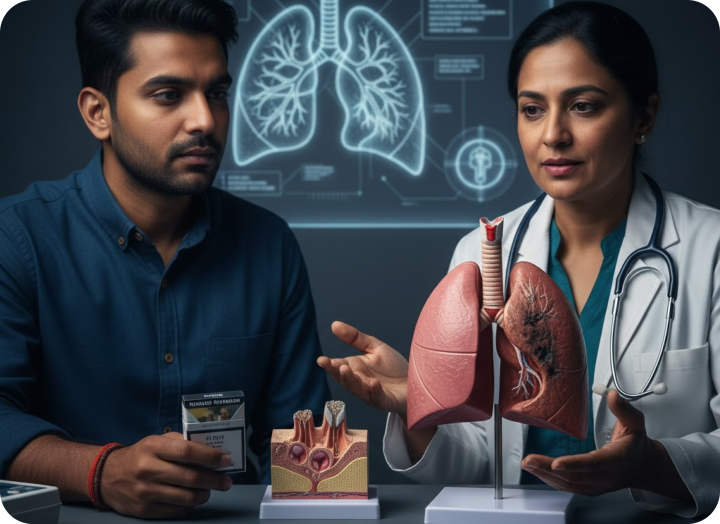
Smoking remains one of the leading causes of preventable diseases worldwide, especially when it comes to lung health. Whether it’s cigarettes, hookah, or e-cigarettes, tobacco use can severely damage your lungs, leading to chronic respiratory diseases and even lung cancer. Understanding how smoking harms your respiratory system is the first step toward prevention — and ultimately, toward a healthier, longer life.
How Smoking Affects the Lungs
When you inhale cigarette smoke, thousands of toxic chemicals enter your airways and lungs. These substances — including tar, nicotine, and carbon monoxide — damage lung tissue and interfere with your body’s natural cleaning and repair mechanisms.
Here’s what happens inside your lungs when you smoke:
Cilia Damage: The tiny hair-like structures that clean out mucus and dust are destroyed, allowing harmful particles to stay in your lungs.
Inflammation and Narrowing of Airways: Smoking causes chronic irritation and swelling, leading to breathing difficulties and persistent coughing.
Decreased Oxygen Flow: Carbon monoxide binds with your blood cells, reducing oxygen supply to vital organs.
Lung Tissue Destruction: Over time, the alveoli (air sacs responsible for oxygen exchange) break down, reducing lung capacity and efficiency.
Even occasional smoking can cause early signs of lung damage — which is why prevention should start immediately.
Diseases Caused by Smoking
The impact of smoking goes far beyond temporary cough or shortness of breath. It is the root cause of several chronic respiratory diseases:
Chronic Obstructive Pulmonary Disease (COPD): A progressive condition that includes chronic bronchitis and emphysema.
Lung Cancer: Smoking is responsible for nearly 85% of all lung cancer cases.
Asthma Worsening: Smoking triggers asthma attacks and makes symptoms more severe.
Respiratory Infections: Smokers are more vulnerable to pneumonia, flu, and other infections due to weakened immunity.
Can the Lungs Heal After You Quit Smoking?
Yes — quitting smoking is the best thing you can do for your lungs, and your body starts healing almost immediately after you stop.
Here’s what happens when you quit:
After 20 minutes: Blood pressure and heart rate begin to return to normal.
After 12 hours: Carbon monoxide levels in the blood drop to normal.
After 2–3 weeks: Lung function improves, and breathing becomes easier.
After 1 year: Risk of heart disease drops significantly.
After 10 years: The risk of lung cancer is about half that of a smoker.
Even if you’ve smoked for years, quitting now can reverse some of the damage and prevent further deterioration.
Tips to Quit Smoking for Better Lung Health
💡 Set a quit date and commit to it.
🧘 Manage stress with yoga, meditation, or breathing exercises.
🚶 Stay active to boost lung capacity and reduce cravings.
🍎 Eat a healthy diet rich in antioxidants to help your lungs repair.
👥 Seek support from friends, family, or smoking cessation programs.
About Nizcare
Nizcare is a digital wellness and preventive health platform that connects individuals, corporates, and healthcare providers. Its mission is to make preventive care accessible through guidance, wellness programs, and lifestyle management tools that encourage healthier habits — including quitting smoking.
While Nizcare is not a hospital or clinic, it serves as a trusted partner in your health journey by:
Promoting awareness and early intervention for respiratory conditions
Offering corporate wellness initiatives focused on lung health
Providing digital tools and expert insights for sustainable lifestyle change
Take your first step toward prevention with Nizcare — because healthy lungs mean a healthier life.
.