
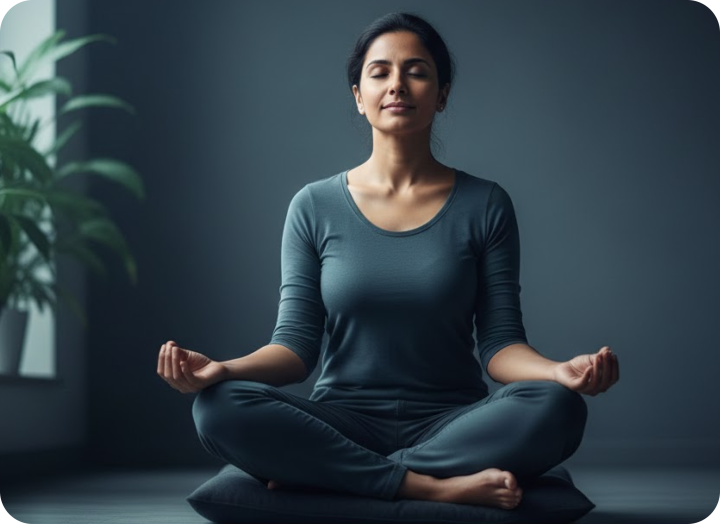
Mindfulness and Meditation: Simple Daily Practices to Calm Your Mind and Reduce Stress
In a world filled with constant notifications, deadlines, and digital distractions, finding mental peace can feel challenging. That’s where mindfulness and meditation come in — two powerful tools that help calm the mind, reduce stress, and improve emotional wellbeing. Whether you’re dealing with anxiety, burnout, or simply want a clearer mind, practicing mindfulness can make a significant difference in your daily life.
This blog explores easy, beginner-friendly techniques and the benefits of incorporating mindfulness into your routine.
What Is Mindfulness?
Mindfulness is the practice of being fully present in the moment — aware of your thoughts, emotions, and surroundings without judgment. It helps you slow down, observe your feelings, and respond thoughtfully rather than react impulsively.
Practicing mindfulness regularly supports:
Reduced stress and anxiety
Better focus and attention
Emotional balance
Improved decision-making
Overall mental resilience
How Meditation Supports Mental Calmness
Meditation is a structured practice that trains your mind to focus and redirect thoughts. Even a few minutes of meditation can lower stress levels, improve mood, and promote relaxation. Over time, meditation helps reduce overthinking, enhances self-awareness, and builds inner calm.
Popular forms of meditation include:
Breathing meditation
Guided meditation
Body-scan meditation
Mindful movement (yoga, walking)
Simple Mindfulness Practices You Can Start Today
1. Mindful Breathing (2–5 minutes)
Sit comfortably, inhale slowly through your nose, and exhale through your mouth. Focus on your breath as it moves in and out.
This simple practice immediately reduces stress and grounds your mind.
2. The 5-4-3-2-1 Grounding Technique
A great way to stop overthinking or panic:
5 things you can see
4 things you can touch
3 things you can hear
2 things you can smell
1 thing you can taste
It brings your attention back to the present moment.
3. Body Scan Meditation
Close your eyes and mentally scan your body from head to toe. Notice areas of tension and relax them.
This improves mind-body awareness and reduces physical stress.
4. Mindful Eating
Slow down during meals. Notice the taste, texture, and aroma of your food.
Mindful eating improves digestion and helps control emotional eating.
5. One-Minute Pause
Between tasks, take a one-minute mindfulness break.
Just breathe, observe your thoughts, and reset your mind.
These small practices, when done consistently, can transform your emotional wellbeing.
Why Mindfulness Matters for Mental Health
Mindfulness helps reduce stress hormones, calms the nervous system, and promotes emotional stability. Studies show it can help manage anxiety, depression, irritability, and even improve sleep quality. The more regularly you practice, the greater the benefits.
Nizcare: Supporting Your Mental Wellness Journey
At Nizcare, we believe mental wellbeing should be accessible, practical, and preventive. While Nizcare is not a hospital or clinic, it plays a vital role in connecting individuals, corporates, and healthcare providers to foster healthier lifestyles.
Through Nizcare, users can:
Access guidance on mindfulness and stress management
Participate in workplace wellness programs
Explore preventive health tools
Connect with trusted experts and resources
By promoting preventive care and holistic wellness, Nizcare empowers people and organizations to build healthier habits — one mindful moment at a time.
.