
How to Monitor Blood Sugar Effectively: Your Complete Guide to Better Diabetes Management
Keeping your blood sugar levels in check is one of the most important aspects of diabetes management. Regular monitoring helps you understand how your body responds to food, exercise, medication, and stress. It’s not just about numbers — it’s about taking control of your health, preventing complications, and maintaining energy throughout the day.
In this blog, we’ll explore how to monitor blood sugar effectively, what tools to use, and the best practices to ensure accurate results.
🔍 Why Blood Sugar Monitoring Matters
Monitoring your blood glucose levels gives you real-time insights into how well your diabetes plan is working. Whether you have Type 1 or Type 2 diabetes, tracking your levels helps you:
Prevent high (hyperglycemia) and low (hypoglycemia) blood sugar episodes
Adjust diet and medication as needed
Stay alert to early signs of complications
Understand your triggers — such as stress, sleep, or certain foods
Consistent tracking can even help your doctor personalize your treatment plan.
🧭 Methods to Monitor Blood Sugar
There are two main ways to track blood glucose levels:
1. Glucometer (Self-Monitoring Blood Glucose – SMBG)
This is the most common and accessible method. A small drop of blood from your fingertip is tested using a portable device called a glucometer.
Tips for accurate glucometer readings:
Wash and dry your hands before testing.
Use a fresh test strip each time.
Test at consistent times (before meals, after meals, or before bedtime).
Record your readings in a log or app.
2. Continuous Glucose Monitoring (CGM)
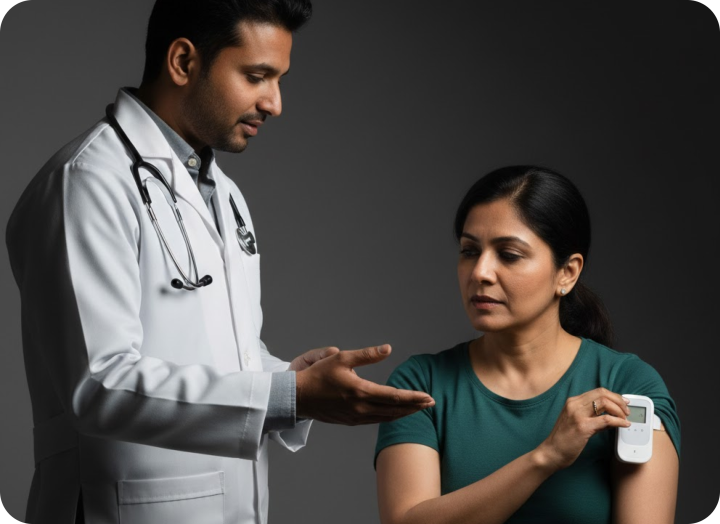
CGM systems use a tiny sensor placed under your skin that measures blood glucose continuously throughout the day. These devices send data to your smartphone or insulin pump, giving you real-time insights and alerts.
Benefits of CGM:
Monitors trends 24/7
Reduces finger pricks
Provides alerts for high or low levels
Helps identify how meals and activities affect glucose
🕒 When and How Often Should You Check?
The frequency of blood sugar monitoring depends on your diabetes type, treatment plan, and lifestyle.
Type 1 Diabetes: 4–10 times daily or as advised by your doctor
Type 2 Diabetes (on insulin): Several times a day
Type 2 Diabetes (not on insulin): A few times a week or as recommended
Prediabetes or at-risk individuals: Periodic testing to track trends
You may need to test more often if you’re feeling unwell, starting new medication, or changing your routine.
✅ Tips for Effective Blood Sugar Monitoring
Keep a logbook or digital tracker to record results.
Note what you ate, your activity, and how you felt — this helps spot patterns.
Maintain a healthy diet rich in fiber, lean proteins, and complex carbs.
Exercise regularly to stabilize blood glucose levels.
Discuss your readings with your healthcare provider regularly.
Remember, monitoring is only useful if you act on what you learn — use your results to make informed lifestyle choices.
💚 Nizcare: Your Partner in Preventive Wellness
At Nizcare, we empower individuals and organizations to take charge of their health. Our platform connects individuals, corporates, and healthcare providers, offering personalized wellness programs, preventive health guidance, and digital tools to track and improve health outcomes.
Whether it’s managing blood sugar, monitoring chronic conditions, or building healthy workplace habits — Nizcare helps you stay one step ahead on your wellness journey.
Note: Nizcare is not a hospital or clinic. It is a comprehensive wellness ecosystem designed to promote preventive care, lifestyle management, and holistic wellbeing for all.
.